Ceiling Leak Water Damage in Cypress, TX: What to Do
A ceiling leak can come from the roof, an upstairs fixture, or an HVAC line, and Texas requires a permit once repairs touch framing, wiring or plumbing.
What Causes a Ceiling Leak in a Cypress Home
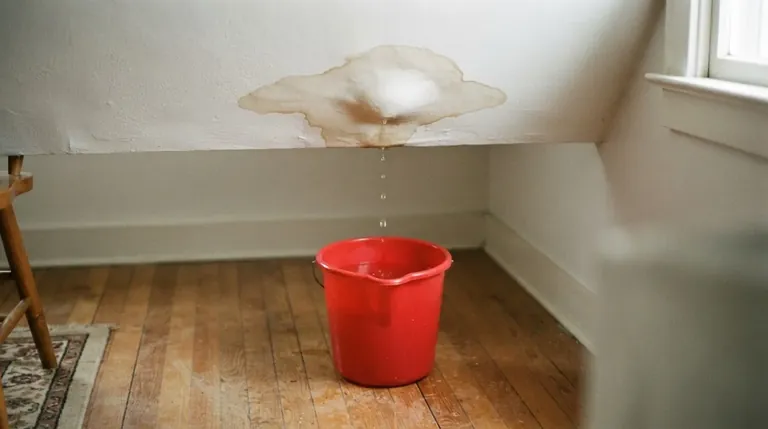
A ceiling stain or drip can come from several different sources, and figuring out which one matters before you call for repairs. Common sources include roof damage, a plumbing fixture or supply line on the floor above, an attic HVAC unit, or a gutter problem pushing water back under the roofline.
- Roof damage — missing or damaged shingles, flashing, or a roof penetration.
- A fixture or pipe on the floor above — a bathroom, kitchen, or laundry line leaking into the ceiling below.
- An attic HVAC unit or its condensate line.
- Gutter or drainage problems that push water back under the roofline instead of away from the house.
Note when you first noticed the stain and whether it has changed in size. That timeline helps whoever inspects the ceiling trace the source, even though it does not identify the cause on its own.
Safety First: Electricity and Structural Risk
Water and electricity are a dangerous combination, and a sagging or bulging ceiling can mean structural damage severe enough to fail without warning. Treat both hazards as your first priority, before you start photographing the damage or planning any repairs to the space below.
- Do not touch wet electrical equipment, or electrical equipment while standing in water.
- Turn off electricity only if it is safe to do so; if the breaker panel or the area around it is wet, wait for qualified help instead.
- Stay out of a room with a sagging, bulging, or actively dripping ceiling until it has been checked.
FEMA's guidance is direct on this point: do not touch electrical equipment when it is wet or while you are standing in water, and if it is safe to reach, turn off electricity at the main breaker or fuse box rather than at an individual switch.
Once the immediate danger has passed, find out who to call first to stop the water at its source.

Is a Ceiling Leak Covered by Insurance?
Whether a ceiling leak is covered depends on what caused it, not just where the water landed. This is general information, not insurance advice — your own policy wording controls what your insurer actually pays, according to the Texas Department of Insurance.
- A sudden and accidental discharge, such as a burst supply line, is usually covered, subject to your policy, exclusions and deductible.
- Continuous leakage or seepage, such as a long-standing roof leak, is usually excluded.
- Mold that develops from the leak is generally excluded, except for limited work tied to repairing a covered loss.
If you file a claim, Texas law sets the insurer's clock. Under Ins. Code §542.055(a), the insurer must acknowledge the claim and request documents not later than the 15th day after notice (the 30th business day for an eligible surplus lines insurer). Under §542.056(a), it must accept or reject the claim within 15 business days of receiving everything requested, and under §542.057(a) it must pay an accepted claim within five business days of notifying you it will pay.
For more on mold coverage and Texas licensing rules once the ceiling is dry, see the Cypress mold after water damage guide.
Do You Need a Permit to Repair It?
Because Cypress is unincorporated, the Harris County Permits Division is the office that answers permit questions for repairs here, not a city department. Rather than guessing, ask the office directly whether your specific repair needs a permit before work starts.
- Cypress has no city hall, so the jurisdiction test is simple: the county office handles every permit question here.
- The Harris County Permits Division can tell you whether your specific repair needs a permit based on what the job actually involves.
- Call 713-274-3900 before work starts, whether the repair is large or small.
| Question | Answer | Source | Checked |
|---|---|---|---|
| Who issues building permits in Cypress? | Harris County Office of the County Engineer, Permits Division | oce.harriscountytx.gov | September 2026 |
| Permits phone number | 713-274-3900 | oce.harriscountytx.gov | September 2026 |

Watching for Mold After a Ceiling Leak
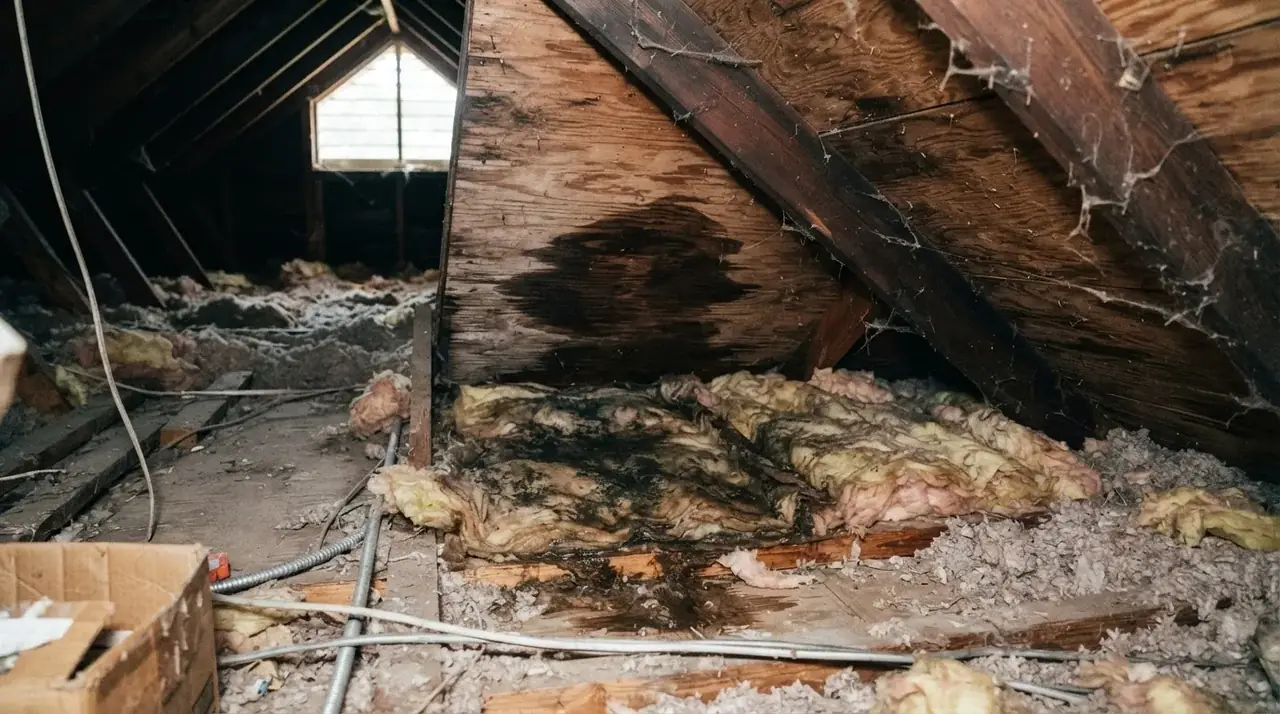
Any water trapped inside a ceiling cavity is a mold risk once the leak itself is fixed, since wet insulation and drywall can hold moisture even after the surface looks dry. EPA guidance on drying wet building materials applies here as much as it does to a flooded floor.
- Wet insulation above the ceiling can hold moisture even after the visible drywall looks dry.
- People with asthma, lung disease, or a suppressed immune system should not enter a room with visible or suspected mold.
The full Cypress water damage help homepage covers what to do at every stage, from the first call to the final walkthrough.
If That Did Not Work
If the stain comes back after a repair, or you cannot reach anyone to look at it, you have more than one option before assuming the worst. A recurring stain usually means the original source, not a new one, so start by rechecking what was actually fixed.
- Try again — a repeat leak after a repair can mean the original source was not fully fixed, not that the repair failed outright.
- Try another provider if the first one cannot identify where the water is entering.
- If the ceiling is actively dripping or sagging, stay out of the room and use the contacts on the Cypress water damage overview.
A repeat or unexplained leak is also a reason to recheck for mold — see the Cypress mold after water damage guide for what to look for.
Frequently Asked Questions
What usually causes a ceiling leak in a Cypress home?
Should I turn off electricity if water is coming through my ceiling?
Is ceiling water damage covered by insurance?
Do I need a permit to repair a water-damaged ceiling in Cypress?
How do I know if a ceiling leak is from the roof or a pipe?
When should I call a restoration provider instead of a roofer?
What if the ceiling leak keeps coming back after a repair?
Can a ceiling leak cause mold?
Water in your home right now?
See who to call first in Cypress, how to reach your water provider, and how to check your flood zone.
Who to Call First in Cypress