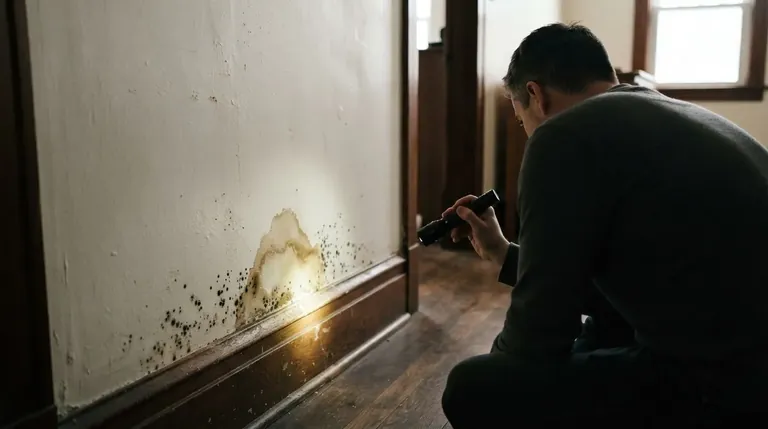
Mold After Water Damage in Cypress, TX: What to Do
FEMA says wet items holding moisture can develop mold within 24 to 48 hours; a company you hire needs a TDLR remediation license at 25 contiguous square feet or more.
How Fast Mold Can Start After Water Gets In
Three federal and public health sources each publish their own wording on how quickly mold can begin once materials get wet. The language differs by agency, so it is worth reading each one rather than assuming they all say the same thing.
- FEMA: "Wet carpeting, furniture, bedding and any other items holding moisture can develop mold within 24 to 48 hours."
- EPA: "In most cases, mold will not grow if wet or damp items are dried within 24-48 hours."
- CDC recommends drying out flooded areas fully and quickly, within 24-48 hours, to help prevent mold growth.
None of these agencies name a fixed hour when mold begins. They describe a window for drying wet materials before mold becomes likely, and each agency phrases that window in its own words.
Does Insurance Cover Mold?
Standard Texas homeowners policies generally exclude mold, except for limited repair tied to a covered water loss, according to the Texas Department of Insurance. This is general information, not insurance advice — your own policy wording and any mold endorsement you purchased control what is actually covered.
- A sudden and accidental discharge of water, such as a burst pipe, is usually covered, subject to your policy, exclusions and deductible.
- Continuous leakage or seepage, and flood, are usually excluded.
- Mold itself is generally excluded, except for limited work needed to repair a covered water loss, or if you purchased a separate mold endorsement.
There is no single universal Texas mold sublimit. Where a mold endorsement applies, Texas Department of Insurance orders list examples such as 25%, 50% or 100% of your dwelling coverage, depending on the endorsement and insurer.
If standing water is still coming into your home, find out who to call first before you worry about mold — mold questions matter once the source is stopped.
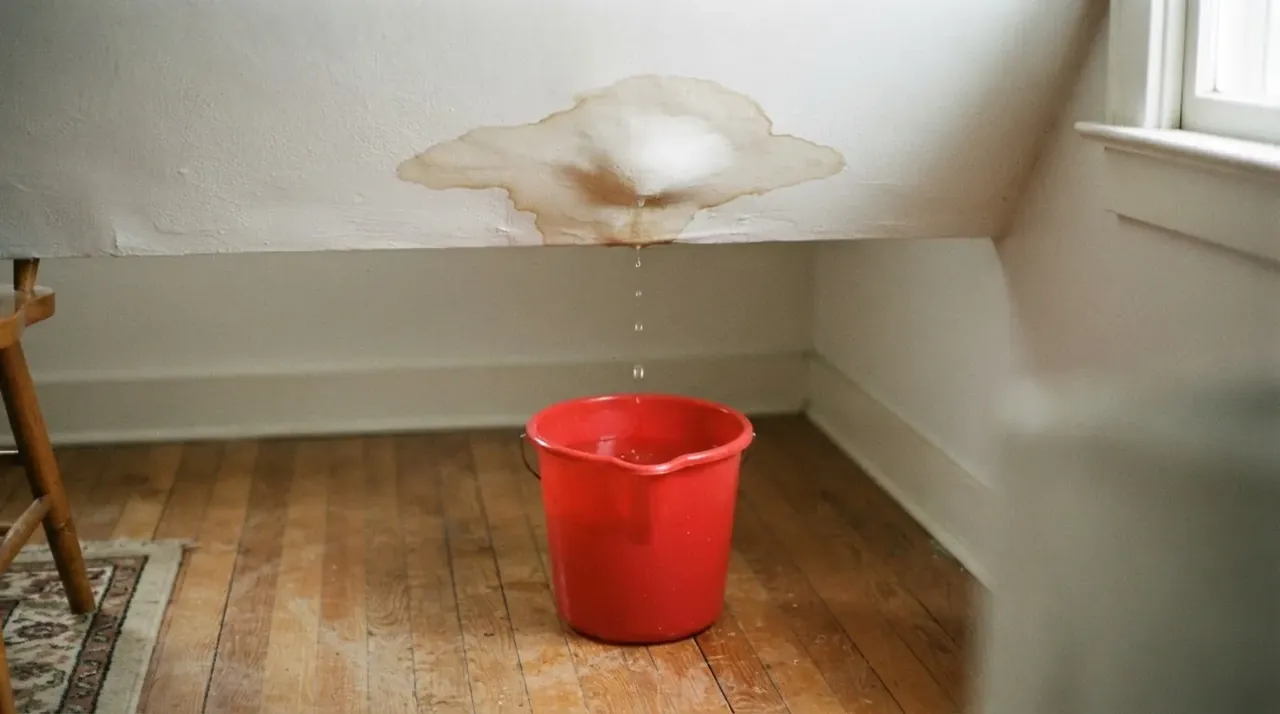
Texas Mold Licensing: Assessment vs. Remediation
Texas Occupations Code Chapter 1958 requires a license to perform mold assessment or mold remediation as a business, with two separate exemptions that are easy to mix up. Knowing which rule applies helps you ask a company for the right paperwork before it starts work in your home.
- A company doing mold remediation needs a TDLR mold remediation license once the project's mold covers 25 contiguous square feet or more; below that size, no remediation license is required.
- The 25-square-foot exemption applies to remediation only. A company assessing mold generally needs an assessment license regardless of the area involved.
- A license holder may not perform both mold assessment and mold remediation on the same project.
| Rule | What It Means | Source | Checked |
|---|---|---|---|
| Remediation area exemption | No remediation license required below 25 contiguous square feet | Occ. Code Section 1958.102(c) | September 2026 |
| Assessment and remediation roles | One license holder cannot do both on the same project | Occ. Code Section 1958.155(a) | September 2026 |
| Owner exemption | Owner may assess or remediate own residential property under 10 dwelling units, no area limit | Occ. Code Section 1958.102(e) | September 2026 |
| Certificate deadline | Certificate of mold remediation due to owner not later than the 10th day after completion | Occ. Code Section 1958.154(a) | September 2026 |
When You Can Handle It Yourself
The law lets a homeowner work on their own home without a mold license, separately from the rules that apply to a company you hire. That exemption has its own limits worth knowing before you decide whether to do the work yourself.
- An owner, or a managing agent or employee of an owner, may assess or remediate mold on residential property they own with fewer than 10 dwelling units, with no area limit.
- The law lets you work on your own home without a license; whether that is wise for a large or contaminated area is a separate question.
- Licensing does not depend on where the water came from — a flood, a sewage backup, and a clean supply-line break all follow the same mold rules once the area or the hired party changes.
Water from a leak above a room can carry its own mold timeline once the source is fixed — see the Cypress ceiling leak guide for what to check first.
What a Company Must Give You When the Work Is Done
A licensed mold remediation company must give the property owner a certificate of mold remediation, and the law sets a firm deadline for when that has to happen. Keep the certificate; it documents that licensed work was completed, and you will need it if you sell the property.
- The certificate of mold remediation is due to the owner not later than the 10th day after the remediation is completed.
- If you sell the property, Texas law requires you to give the buyer certificates covering the five years before the sale.
- TDLR must be notified before most remediation projects begin, and in an emergency, not later than the next business day.
For the rest of the water damage process in Cypress, from the first call to the final walkthrough, see the Cypress water damage help homepage.
If That Did Not Work
If a provider cannot answer your mold licensing questions, or a repair does not resolve a recurring mold problem, you have more than one option before starting over. Ask a second provider for its license number, or recheck whether the underlying water source was actually fixed.
- Try again — ask the company directly for its TDLR mold license number and ask to see the certificate of mold remediation once the work is done.
- Try another provider if the first one cannot produce a license number for remediation work of 25 square feet or more.
- If mold keeps coming back after remediation, the underlying water source may not have been fixed — recheck for an active leak before assuming the mold work failed.
For every stage of the process, not just mold, see the full Cypress water damage guide.
Frequently Asked Questions
How fast can mold start after water damage in my home?
Does homeowners insurance cover mold removal?
Do I need a license to remediate mold in my own Cypress home?
What's the difference between a mold assessment license and a remediation license?
Does it matter if the mold came from a flood or a clean pipe break?
What paperwork should I get once mold remediation is finished?
Should I throw away moldy belongings?
Can I enter a home with visible mold?
Water in your home right now?
See who to call first in Cypress, how to reach your water provider, and how to check your flood zone.
Who to Call First in Cypress